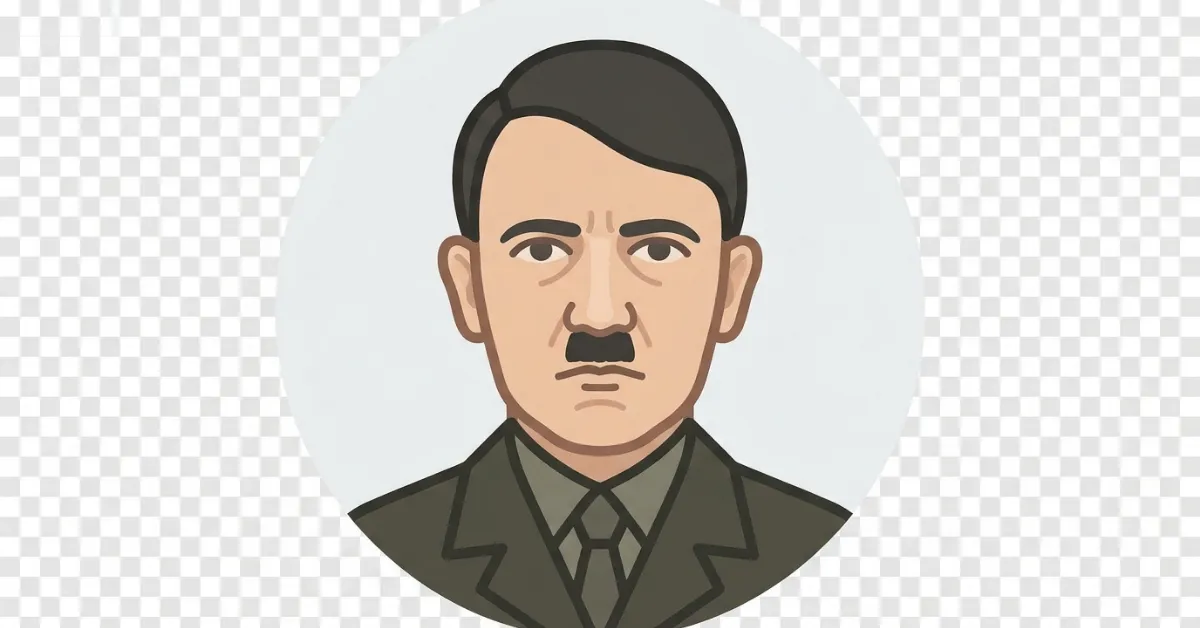
The Adolf Hitler emoji topic explores how people use emoji-style symbols, historical references, and digital imagery when discussing one of history’s most notorious dictators.
Although there is no official Adolf Hitler emoji, related symbols and illustrations may appear in online discussions, memes, and historical content.
In this guide, you will learn about the meaning, context, and online use of Hitler-related emoji images.
We will also explore how to discuss this sensitive historical subject responsibly across social media platforms.
What do Adolf Hitler emoji mean?

There is no dedicated official Adolf Hitler emoji in the standard Unicode emoji set. Instead, the term may refer to custom artwork, stickers, caricatures, or combinations of existing symbols used in online discussions.
The meaning depends on context. A historical post may be educational, a documentary discussion may be critical, and a meme may use satire. However, content praising Hitler or promoting Nazi ideology has a very different purpose from content documenting or condemning historical atrocities.
Here are six related symbols that can help communicate historical or educational context.
| Emoji | Core meaning | Misread as | Best used when |
| 📚 | Books and learning | Reading for entertainment only | Sharing historical resources |
| 🏛️ | Institutions and history | Government endorsement | Discussing historical institutions |
| 🕰️ | Time and the past | A specific historical date | Referring to historical periods |
| 📰 | News and reporting | A verified news source | Discussing historical reporting |
| 🕊️ | Peace and hope | A guarantee of agreement | Remembering victims and promoting peace |
| ⚠️ | Caution or warning | Immediate physical danger | Highlighting harmful ideologies or sensitive topics |
These symbols do not depict Hitler directly. They can help make the purpose of a historical post clearer, especially when paired with an accurate caption.
📚 Books
Meaning: Learning, research, and educational discussion.
Example 1: Exploring the history of World War II
Example 2: Reading reliable historical sources
🏛️ Classical Building
Meaning: Institutions, architecture, and historical settings.
Example 1: Studying European history
Example 2: Understanding how governments shaped the past
🕰️ Mantelpiece Clock
Meaning: Time, historical periods, and reflection on the past.
Example 1: Remembering an important historical period
Example 2: Looking back at lessons from history
📰 Newspaper
Meaning: News, reporting, and information.
Example 1: Comparing historical newspaper reports
Example 2: Researching events from the past
🕊️ Dove
Meaning: Peace, hope, and remembrance.
Example 1: Remembering those affected by war
Example 2: Sharing a message of peace
⚠️ Warning
Meaning: Caution, risk, or the need to pay attention.
Example 1: Recognizing the dangers of extremist ideology
Example 2: Learning from the consequences of hatred
How to use Adolf Hitler emoji the right way
Because no official Hitler emoji exists, people usually encounter this search term through custom graphics, historical illustrations, or memes. Consider your purpose and audience before sharing such content.
WhatsApp: In personal chats and groups, use clear wording when discussing World War II, historical events, or extremist ideology. A short explanation can prevent a historical reference from being mistaken for support or praise.
Instagram: For educational posts, choose carefully sourced historical images and informative captions. Keep the visual presentation respectful when discussing victims, persecution, and the Holocaust. Avoid using historical atrocities as decorative branding.
TikTok: Historical explainers, documentary-style videos, and critical discussions can provide useful context. If using satire, make the critical message clear rather than relying on a potentially misleading image alone.
Dos and don’ts
- Do verify historical claims before sharing them.
- Do distinguish educational material from extremist propaganda.
- Do use captions that explain the context of sensitive symbols.
- Don’t use historical imagery to harass people or glorify Nazi ideology.
- Don’t assume a meme is harmless simply because it is humorous.
- Don’t share graphic or distressing historical material without considering your audience.
Best historical emoji combos copy & paste
These copy paste emojis can help organize educational captions, remembrance posts, and discussions about the past without implying support for extremist figures.
Historical research
- 📚🕰️ Exploring the history of a past era.
- 📰📚 Researching historical accounts and sources.
- 🏛️🕰️ Discussing historical institutions and events.
Education
- 📚⚠️ Learning about the dangers of extremist ideologies.
- 📰🕰️ Examining historical reporting.
- 🏛️📚 Studying political history.
Peace and remembrance
- 🕊️📚 Learning about peace through history.
- 🕊️🕰️ Remembering people affected by past conflicts.
- 🕊️📰 Sharing a remembrance message with historical context.
Critical discussion
- ⚠️📚 Understanding the consequences of hatred.
- ⚠️📰 Highlighting an important historical warning.
- 📚🏛️ Exploring the history of political institutions.
Documentary and history posts
- 📰📚 Sharing a research-based historical post.
- 🕰️📚 Reflecting on lessons from the past.
- 🕊️⚠️ Connecting remembrance with a warning against intolerance.
These combinations work best alongside accurate captions that explain the subject rather than leaving a sensitive historical reference open to misinterpretation.
Trending historical symbols in 2026
In 2026, social platforms continue to provide spaces for historical explainers, educational short videos, archival photographs, and discussions about the impact of past conflicts. However, there is no verified basis for claiming that an official Adolf Hitler emoji is trending because no dedicated Unicode character exists.
Related symbols can help creators communicate educational themes in a concise, recognizable way.
| Emoji | Why useful | Who uses it | Platform |
| 📚 | Supports research and learning content | Students and educators | Instagram, TikTok |
| 📰 | Connects posts with reporting and historical sources | Journalists and creators | Instagram, WhatsApp |
| 🕊️ | Supports peace and remembrance messages | Educators and community groups | Instagram, WhatsApp |
| ⚠️ | Highlights risks and serious historical lessons | Teachers and documentary creators | TikTok, Instagram |
These are practical examples of historical communication, not a measured ranking of trending emojis. Platform popularity varies, and individual posts can attract different audiences depending on their subject and presentation.
As digital communication evolves, standard emoji characters, archival imagery, and custom illustrations continue to offer different ways to discuss history and its consequences.
FAQs:
1. What is the most popular Adolf Hitler emoji?
There is no official Unicode emoji depicting Adolf Hitler. Search results may show custom stickers, caricatures, or historical illustrations rather than a standardized emoji.
2. What does an Adolf Hitler emoji mean from a girl or boy?
The intention depends on the context. It may refer to historical discussion, satire, provocation, or extremist messaging, so the surrounding conversation matters.
3. Why do emojis look different on iPhone vs Android?
Apple, Google, and other platforms create their own emoji artwork. The same Unicode character may therefore have a different appearance across devices, while custom images depend on the original artwork.
4. Are Adolf Hitler emoji used differently in other countries?
Yes, historical knowledge, cultural context, and local laws can affect how Hitler-related imagery is interpreted. Educational discussion and extremist praise should not be treated as equivalent.
Conclusion
There is no standard emoji specifically representing Adolf Hitler, but related symbols can help communicate historical research and remembrance.
Use reliable sources and clear captions when discussing sensitive events.
A thoughtful approach helps readers understand the difference between learning from history and promoting harmful ideologies.